A Visual Field Guide to the Most Beloved Kinds of Flowers
Kinds of Flowers: A Quick Field Guide

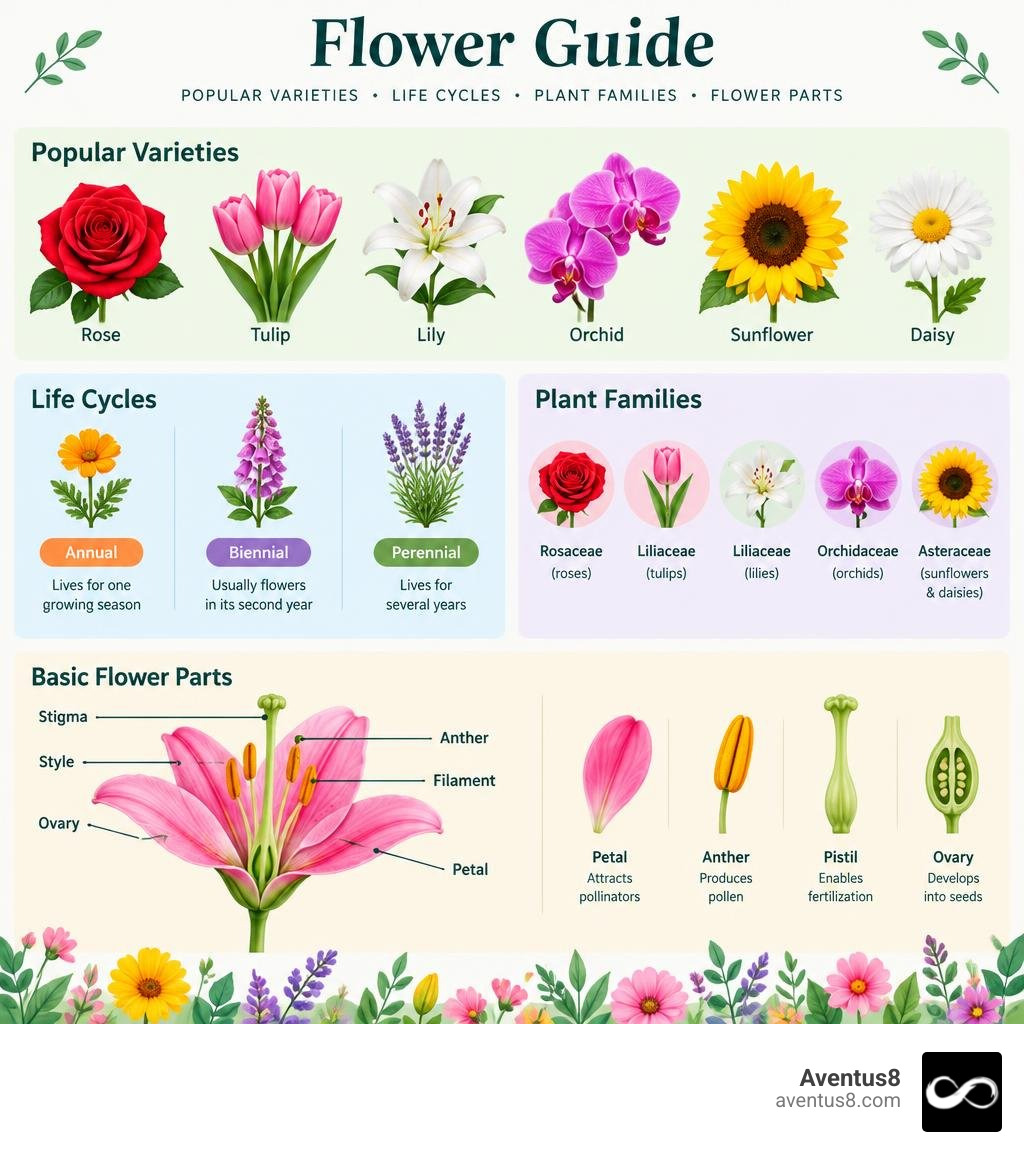
The most familiar kinds of flowers include roses, tulips, lilies, orchids, sunflowers, and daisies. You can also group them by life cycle: annuals live for one growing season, biennials usually flower in their second year, and perennials live for several years. These groups help you choose blooms that fit your space, from a warm garden in Hollywood, Florida, to a cooler garden elsewhere in the U.S.
I'm Max Shemesh, founder of Aventus8. My work with hemp, a flowering plant, has given me a close look at one corner of the many kinds of flowers; this guide starts with the blooms you're most likely to know.
Kinds of flowers word guide:
Botanical Classification: Understanding Different Kinds of Flowers
Whether you are cultivating subtropical specimens in Hollywood, FL or managing landscapes nationwide, understanding how botanists categorize plants provides essential insight into floral care and selection. Angiosperms—the scientific term for flowering plants—represent roughly 90% of all living land plant species. Across the globe, scientists have cataloged over 400,000 flowering plant species organized into 64 orders and 416 distinct families.
Every blossom, regardless of its size or shape, is built around fundamental anatomical structures organized in concentric rings known as whorls:
- Calyx (Sepals): The outermost protective layer that encases the young flower bud before it opens.
- Corolla (Petals): The vibrant, often pigmented whorl designed to attract pollinators through color patterns and scent.
- Androecium (Stamens): The male reproductive organs, each consisting of a pollen-bearing anther supported by a slender filament.
- Gynoecium (Carpels/Pistils): The female reproductive center, containing the stigma (which catches pollen), style, and ovary (which houses the ovules).

Flowers vary dramatically in their sexual arrangements. A perfect flower (bisexual or hermaphroditic) contains both functional stamens and carpels within the same bloom (such as a rose or lily). An imperfect flower contains only male (staminate) or only female (pistillate) structures.
When both male and female imperfect flowers grow on the same individual plant (such as maize or squash), the species is called monoecious. When male and female flowers grow on entirely separate plants (such as dioecious willow trees or cannabis), the species is dioecious.
Flowers also present themselves either singly or in clusters called an inflorescence. Examples include spikes, umbels, racemes, or pseudanthia (composite heads that look like single blossoms). To explore deep evolutionary lineages and structural anatomy, see detailed botanical resources on flowering plant morphology and genetics.
Major Taxonomic Families and Floral Anatomy
A handful of major plant families account for a vast majority of the blooms we cultivate and admire across Hollywood, FL gardens and diverse nationwide regions:
- Asteraceae (Daisy/Sunflower Family): The largest family, boasting over 22,750 species. Its defining trait is the composite head (pseudanthium), which combines outer strap-shaped ray florets with central, tubular disc florets.
- Rosaceae (Rose Family): Containing around 2,830 species, this family includes classic garden roses as well as apple, cherry, and peach blossoms. Blooms typically feature five sepals, five petals, and numerous stamens.
- Orchidaceae (Orchid Family): The second-largest angiosperm family with nearly 22,000 species. Orchids display distinct bilateral symmetry, modified lower petals called labellums (lips), and fused stamens and pistils forming a column.
- Liliaceae (Lily Family): Known for showy, radially symmetrical blooms with six tepals (three sepals and three petals that look identical) and six stamens.
- Fabaceae (Pea/Legume Family): Features distinctive zygomorphic (bilateral) flowers with a "banner," two "wings," and a fused "keel" petal.
- Lamiaceae (Mint Family): Characterized by aromatic foliage, square stems, and two-lipped (bilabiate) tubular blooms.
- Brassicaceae (Mustard/Cabbage Family): Recognizable by their simple cross-shaped flowers featuring four petals.
- Poaceae (Grass Family): Wind-pollinated with subtle, non-showy floral spikes; cereal grasses like rice, wheat, and maize provide half of humanity's global caloric intake.
- Boraginaceae (Borage Family): Known for scorpioid cymes (curved, fiddle-neck clusters) and five-petaled star flowers.
- Plantaginaceae (Plantain/Snapdragon Family): Displays specialized tubular, snap-action corollas evolved for specialized bees.
The development of these floral whorls is driven by the genetic ABC model, where combinations of homeotic gene classes (A, B, and C) specify whether a floral meristem develops into sepals, petals, stamens, or carpels.
Life Cycles: Annual, Biennial, and Perennial Kinds of Flowers
Whether designing a coastal bed in Hollywood, FL or selecting blooms for nationwide hardiness zones, gardeners classify plants by their lifecycle strategy. Knowing whether a bloom is an annual, biennial, or perennial dictates soil preparation, planting calendars, and landscape design.
| Flower Type | Life Cycle Duration | Bloom Schedule | Root System & Strategy | Popular Examples |
|---|---|---|---|---|
| Annual | One single growing season | Blooms continuously for months, dies at first frost/heat wave | Shallow, fibrous roots; invests energy into high seed output | Petunias, Marigolds, Zinnias, Sunflowers |
| Biennial | Two growing seasons | Vegetative foliage in Year 1; flowers and sets seed in Year 2 | Deep taproots; stores energy in Year 1 overwintering | Foxglove, Hollyhock, Sweet William, Black-eyed Susan |
| Perennial | Three or more years | Blooms for a distinct 2–6 week window each season | Extensive roots, bulbs, rhizomes, or tubers that survive dormancy | Coneflowers, Peonies, Daylilies, Lavender, Hostas |
While annuals provide vibrant, uninterrupted color for bedding displays, herbaceous perennials offer dependable structure year after year. A single peony bush (Paeonia) can live and bloom reliably for over a century!
A Field Guide to the Most Popular Garden and Wildflower Varieties

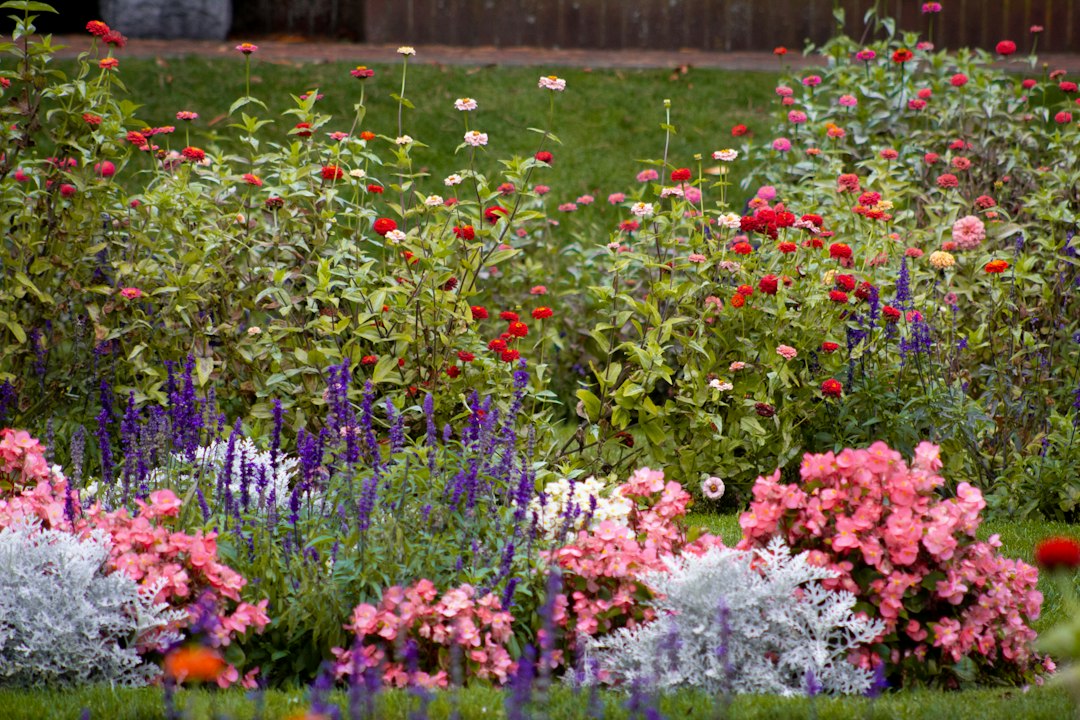
Whether enjoyed in South Florida coastal landscapes or grown across diverse climate zones nationwide, floral colors and fragrances serve as nature’s advertising. Anthocyanins, carotenoids, and betalains generate rich spectra ranging from deep crimson to sunburst yellow. Many flowers feature ultraviolet "nectar guides"—patterns invisible to humans but shining like landing strips to bees.
Classic Garden Blooms: Roses, Lilies, Orchids, and Sunflowers
- Roses (Rosa spp.): Cultivated for millennia, roses range from single wild blossoms to dense, multi-petaled hybrid tea roses. In the U.S. alone, over 1.2 billion rose stems are sold annually, symbolizing love and celebration.
- Lilies (Lilium spp.): Prized for large, fragrant, trumpet-shaped blooms. Note for pet owners: True lilies cause acute kidney failure in cats, so keep them out of feline-friendly homes.
- Orchids (Orchidaceae): Masters of specialized pollination and epiphytic growth. Tropical varieties thrive exceptionally well in Hollywood, FL humidity and indoors nationwide with bright, indirect light and bark substrates.
- Sunflowers (Helianthus annuus): Famous for young buds exhibiting heliotropism (tracking the sun east to west) before locking eastward at maturity. A single head can contain up to 2,000 individual florets.
- Hydrangeas (Hydrangea macrophylla): Natural soil indicators. In acidic soils (pH below 6.0) with available aluminum, blooms turn vibrant blue; in alkaline soils, they remain bright pink.
- Ranunculus (Ranunculus asiaticus): Beloved for their tissue-paper-thin, tightly packed layers of petals, grown from claw-like corms.
Specialized and Aromatic Kinds of Flowers Across America
Beyond traditional ornamental landscaping, specialized botanical flowers are cultivated across the United States for their rich aromas, complex terpenes, and therapeutic properties.
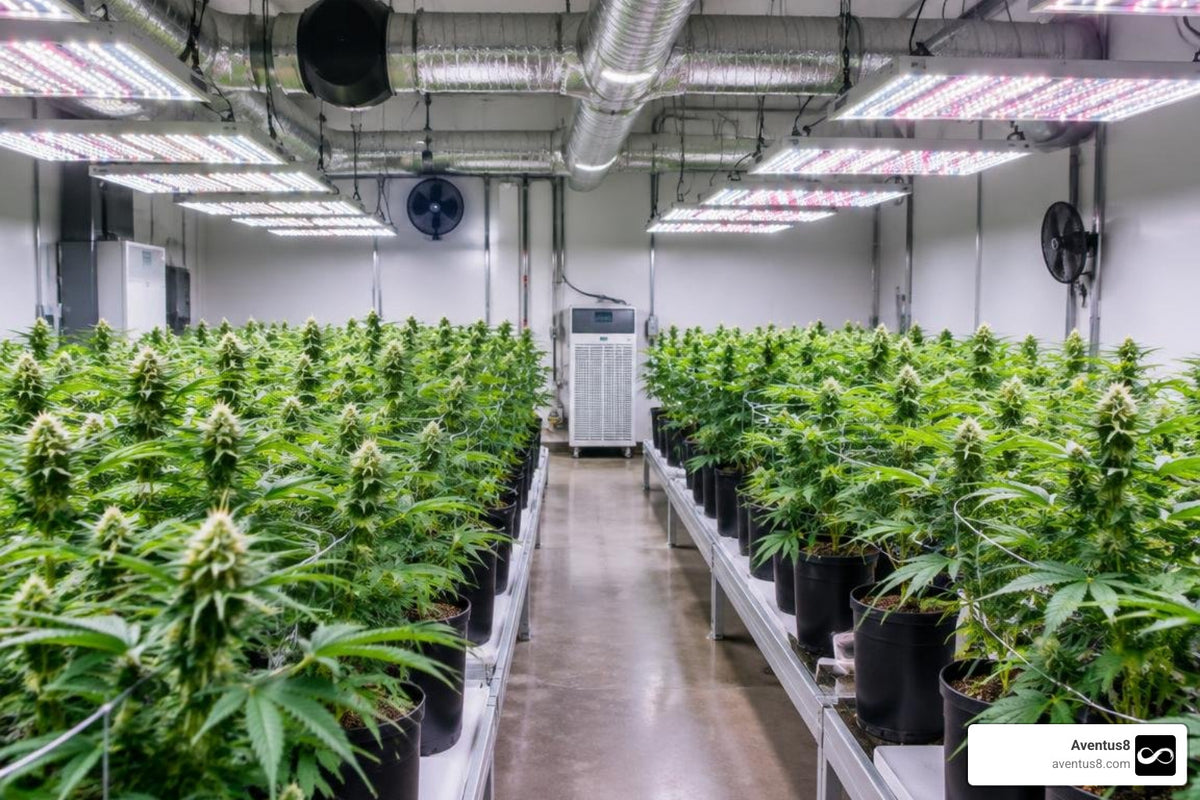
In female cannabis plants, the floral cluster (or cola) develops dense layers of crystalline glandular heads known as trichomes. These resin glands produce aromatic terpenes such as floral linalool (also found in lavender), herbal myrcene, and woodsy pinene.
Connoisseurs looking for frosty, high-resin products often seek out specialized options like snow caps weed to experience elevated terpene profiles and dense trichome coverage. Understanding how resin glands develop helps consumers in Hollywood, FL and across the country navigate today's market; for an in-depth breakdown of legal cannabinoid cultivars and lab testing, consult our THC flower guide.
Online enthusiast communities frequently discuss quality benchmarks, with discussions around the best online THC flower spotlighting hand-trimmed, trichome-rich buds grown under strict agricultural standards.
Cultivation, Seasonal Care, and Regional Blooming Across Zones
Successful gardening hinges on matching your floral selections to your USDA Plant Hardiness Zone, balancing sun exposure, soil organic matter, and irrigation.
Selecting Blooms from Subtropical Hollywood, FL to Nationwide Climates
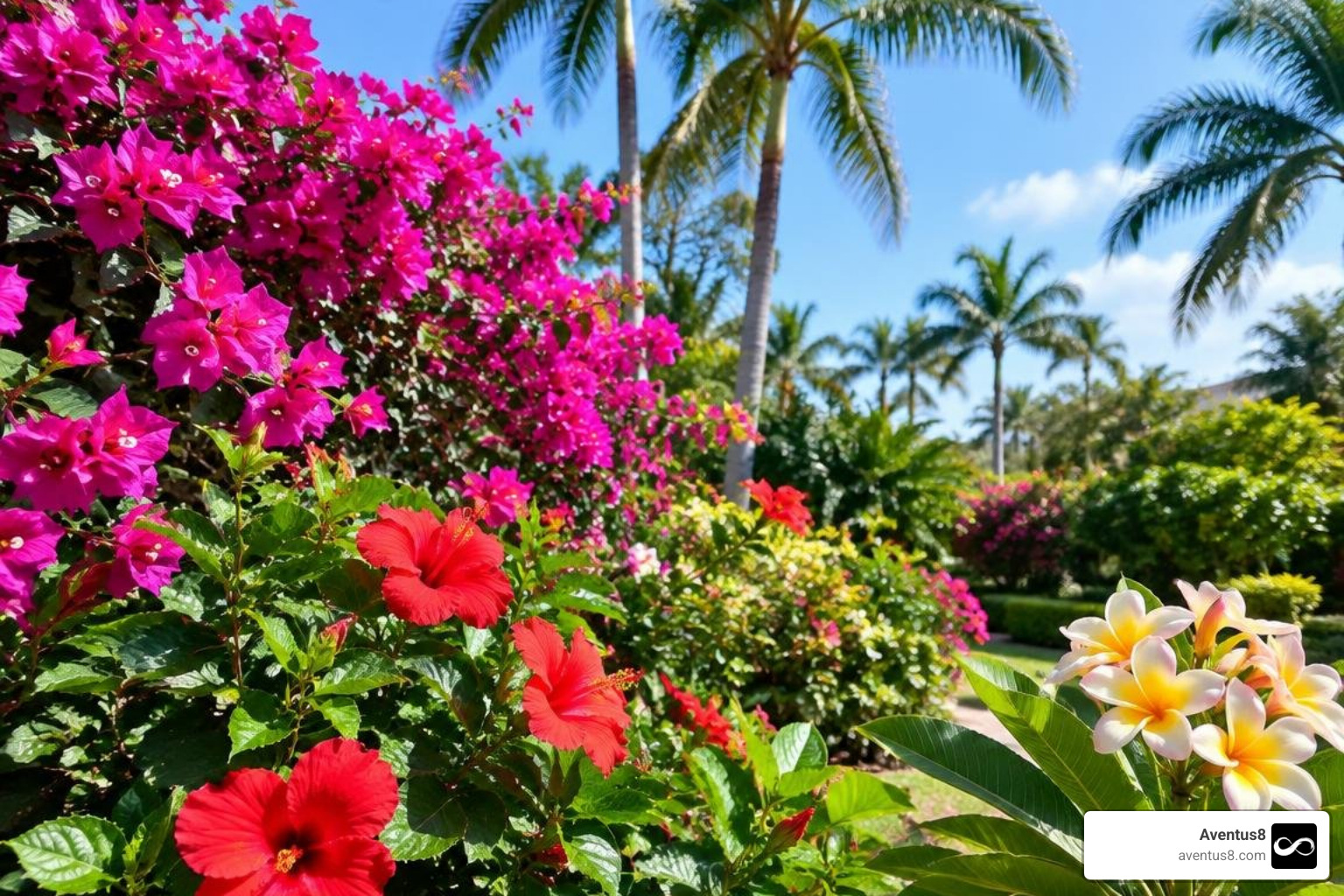
In warm subtropical climates like Hollywood, FL, Miami-Dade, and Broward County (USDA Zones 10b–11), traditional cold-hardy bulbs like tulips and peonies struggle without artificial chilling. Instead, tropical and heat-tolerant varieties thrive year-round:
- Bougainvillea & Hibiscus: Provide brilliant, intense color through blazing summer heat.
- Plumeria (Frangipani): Produces velvety, sweet-scented blossoms ideal for coastal landscapes.
- Native Pollinator Plants: Species such as blanket flower (Gaillardia pulchella), tropical sage (Salvia coccinea), and beautyberry support local bees and butterflies. Gardeners can check curated inventories of South Florida native flowering species to establish resilient, drought-tolerant landscapes.
For local planting calendars tailored to warm southern coastal conditions, refer to our Hollywood FL seasonal planting guide. Across cooler temperate zones nationwide (Zones 3–7), gardeners can rely on spring-blooming bulbs, summer coneflowers, and late-autumn chrysanthemums to provide four seasons of interest.
Extending Vase Life and Maximizing Garden Longevity
Whether harvesting from your backyard or receiving a fresh floral arrangement, simple post-harvest handling extends vase life significantly:
- Stem Trimming: Cut stems underwater at a 45-degree angle using sharp floral shears to prevent air bubbles from blocking xylem vessels.
- Water Hygiene: Strip all lower leaves that sit below the waterline to halt bacterial growth. Change vase water every two days.
- Ethylene Prevention: Keep fresh arrangements away from ripening fruit bowls (which emit ethylene gas that accelerates wilting) and direct sunlight.
- Garden Deadheading: In the garden, prune spent blossoms regularly to signal the plant to channel energy into producing fresh buds rather than setting seed.
Frequently Asked Questions About Flower Types
What are the main differences between annual and perennial flowers?
Annual flowers complete their entire botanical life cycle—from germination to seed production—in a single growing season before dying. They bloom vigorously for months. Perennials establish deep root systems, dying back to ground level during winter or extreme drought, and return to flower year after year for three seasons or more.
How many species of flowering plants exist worldwide?
Scientists estimate there are between 300,000 and 400,000 documented angiosperm species globally. Roughly 75% belong to the eudicot clade, 23% are monocots, and 2% represent basal magnoliids. Approximately 40% of all plant species currently face extinction pressures due to habitat loss and climate shifts.
What are the best low-maintenance flowers for warm climates like South Florida?
For sunny, hot coastal landscapes like Hollywood and Miami, FL, top low-maintenance selections include lantana, pentas, coreopsis, purslane, and native firebush (Hamelia patens). These cultivars resist salt spray, tolerate sandy soil, and bloom reliably through hot summer months.
Conclusion
From delicate spring wildflowers to the lush tropical blooms of South Florida, the floral world offers endless diversity and natural beauty. Cultivating and appreciating these plants connects us directly to the rhythms of nature.
At Aventus8, our passion for natural botanicals extends from our home base in Hollywood, FL to customers nationwide. Whether you are exploring rich herbal profiles or looking for curated wellness options, you can order directly online with no medical card required. We offer free nationwide shipping and a complimentary gift on all orders over $75, making it simple to explore the best cannabis products delivered straight to your door. You can also join our affiliate program to earn rewards while sharing clean, lab-tested botanical products, or discover our top-shelf selections of the best Delta 9 flower on the market today.