THC Oil for Sleep: Benefits, Risks, and How to Drift Off Safely
Why So Many People Are Turning to THC Oil for Sleep

THC oil for sleep is one of the fastest-growing natural wellness solutions in the United States — and for open reason.
Quick Answer: Does THC Oil Help You Sleep?
- Yes, it can — especially for falling asleep faster and reducing nighttime pain or anxiety
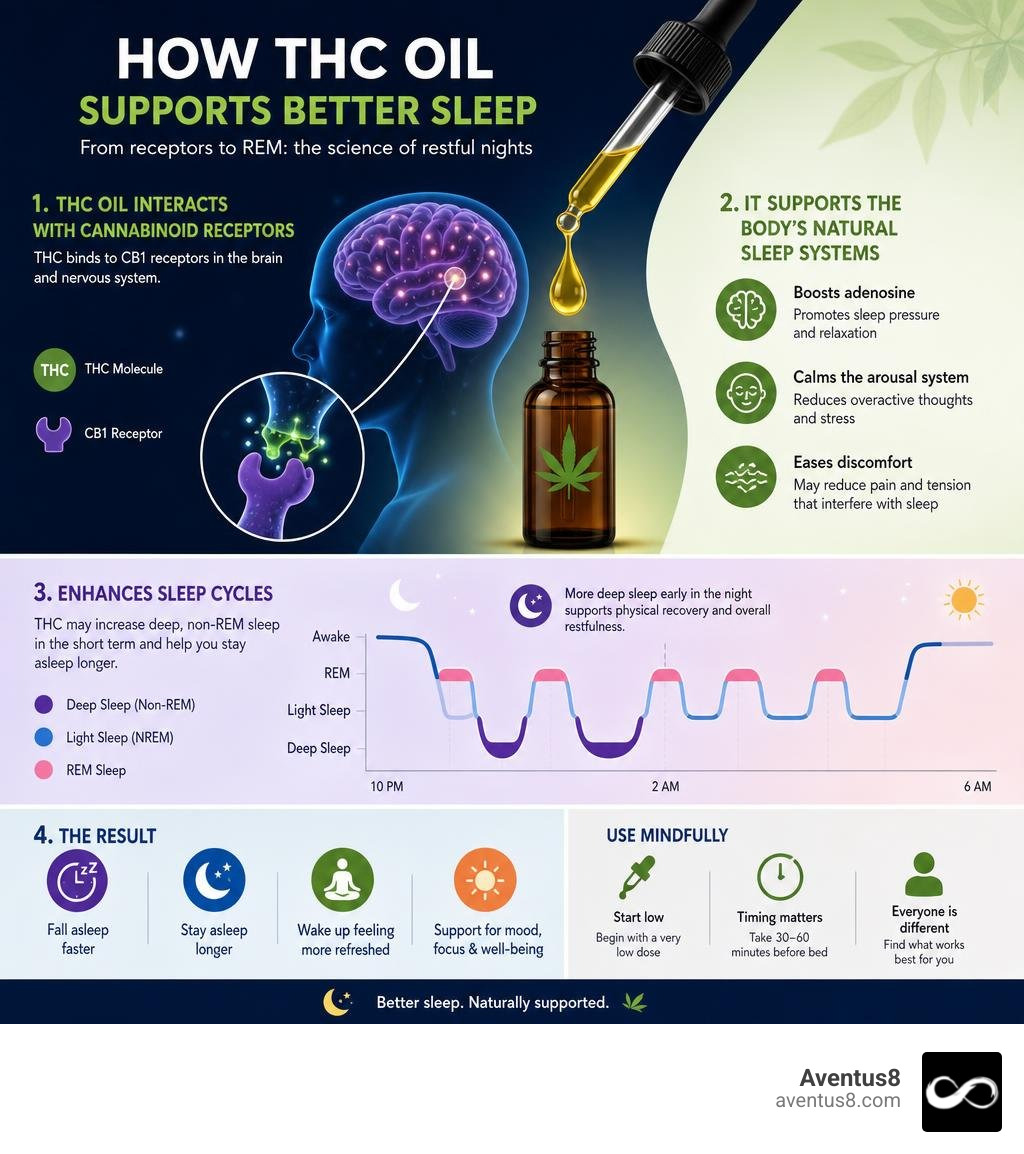
- THC increases deep, non-REM sleep in the short term
- It works by boosting adenosine (a sleep-promoting chemical) and calming the brain's arousal system
- Best used as a sublingual tincture, taken 30–60 minutes before bed
- Start with a very low dose (1.5–2.5mg THC) and increase slowly
- Not recommended for daily long-term use without medical guidance
Roughly 77% of men and 64% of women between 21 and 64 have used cannabis to help them sleep. That's not a fringe trend — that's a majority of adults quietly turning to cannabinoids because traditional sleep aids aren't cutting it.
If you've ever stared at the ceiling at 2am in Hollywood, FL's humid summer heat, listening to the distant breeze off the Broadwalk, you already know the problem. Sleep doesn't come easy when your mind is racing, your joints ache, or stress from the day won't let go.
THC oil works differently from melatonin or over-the-counter sleep pills. It interacts directly with your body's endocannabinoid system — the network of receptors that regulate sleep, mood, and pain. The result, for many users, is a faster path to sleep and fewer middle-of-the-night wake-ups.
But THC oil isn't magic, and it isn't risk-free. The science is promising but still developing. A 2022 research review noted that public enthusiasm for cannabis sleep products may have outpaced the available clinical evidence — which means knowing what the research actually says matters before you start.
This guide covers everything: how THC oil affects your sleep cycles, the real benefits and risks, how to dose safely, and how it compares to CBD, CBN, and melatonin.
I'm Max Shemesh, CEO of Aventus8—headquartered right here in Hollywood, FL—and a specialist in high-quality hemp formulations — including THC oil for sleep. My work at Aventus8 is focused on helping health-conscious people in our local community and across the country access clean, compliant cannabinoid products without the complexity of a medical card. I'll walk you through everything you need to make a confident, informed decision.
THC oil for sleep further reading:
How Cannabinoids Affect Sleep Architecture
To understand how THC oil for sleep works, we have to look at what scientists call "sleep architecture." This refers to the structural pattern of your sleep stages throughout the night, which consist of light sleep, deep slow-wave sleep, and rapid eye movement (REM) sleep.
For Hollywood, FL residents trying to wind down after a busy day navigating the local scene or commuting along I-95, achieving a balanced sleep architecture is essential for waking up refreshed. When you consume tetrahydrocannabinol (THC), it alters these stages in highly specific ways. In the short term, THC increases the amount of time you spend in slow-wave sleep (SWS), which is the deepest, most physically restorative stage of sleep. SWS is when your body repairs tissues, builds bone and muscle, and strengthens the immune system.
However, this boost in deep sleep comes with a trade-off: REM sleep suppression. REM sleep is the stage where most dreaming occurs, and it is vital for emotional processing, memory consolidation, and cognitive health. Because THC suppresses REM sleep, users often report a complete lack of dreams.
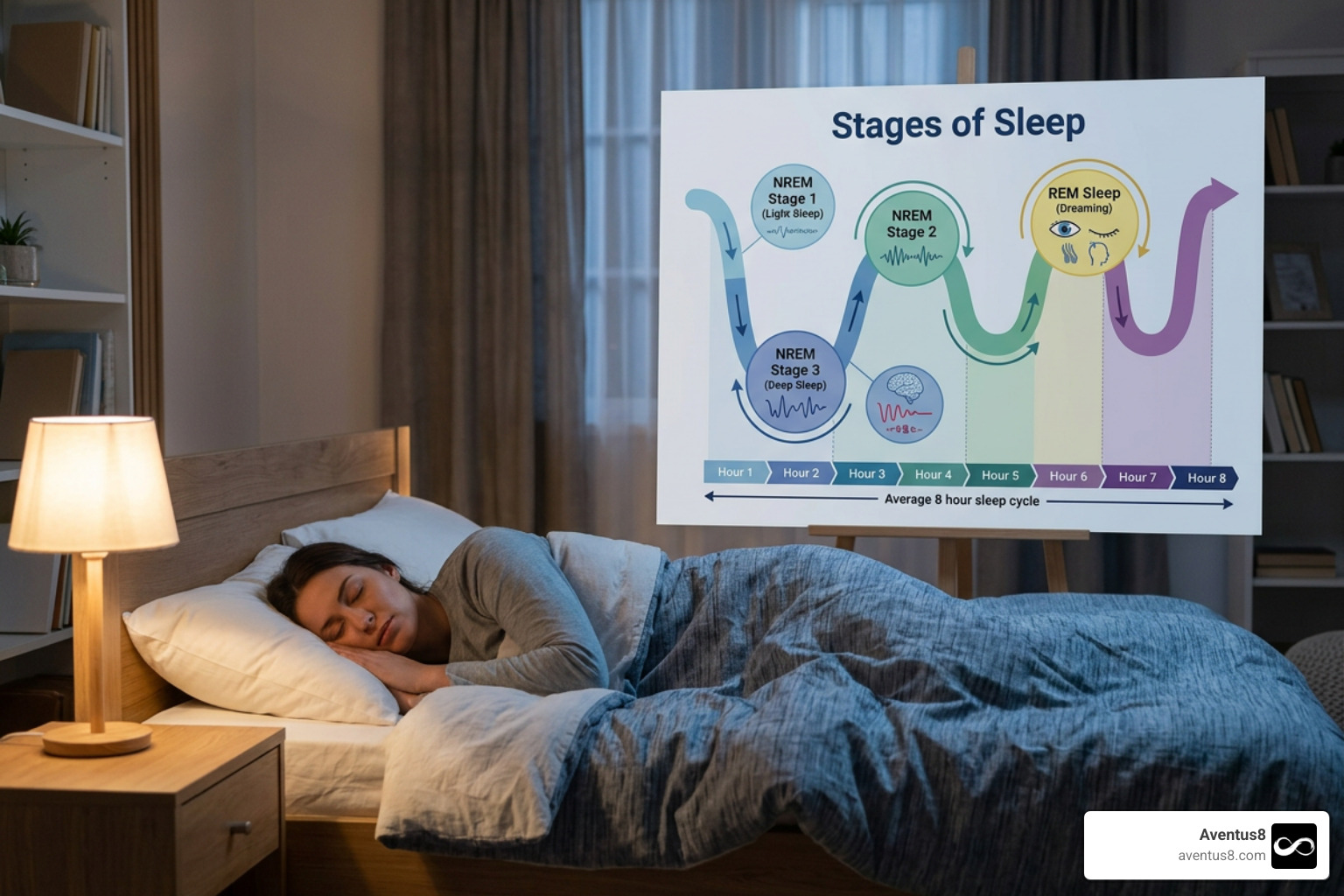
If you use THC oil heavily and then suddenly stop, you will likely experience what is known as "REM rebound." During this withdrawal phase, your brain attempts to make up for lost REM cycles, leading to incredibly vivid, strange, and sometimes intense dreams or nightmares. This withdrawal rebound can also cause temporary sleep disruption, night sweats, and a longer time to fall asleep.
The science of cannabinoids and sleep architecture is evolving rapidly. For instance, a landmark 2025 clinical study published in PMC examined how non-psychoactive cannabis formulations impact sleep. This Effects of a cannabidiol/terpene formulation on sleep in individuals with insomnia: a double-blind, placebo-controlled, randomized, crossover study - PMC demonstrated that a specialized blend of CBD and specific terpenes (like linalool and myrcene) increased both slow-wave sleep and REM sleep while reducing light sleep. This suggests that while pure THC might suppress REM, combining cannabinoids with therapeutic terpenes can help restore a more natural, balanced sleep architecture.
The Science Behind THC Oil for Sleep
At a chemical level, THC promotes sleep by interacting with CB1 receptors in the brain's central nervous system. This interaction signals receptors to increase the production of adenosine, a neurotransmitter that naturally accumulates in your brain throughout the day to create "sleep pressure." At the same time, THC works to quiet the brain's active arousal system, making it easier to quiet a racing mind.
By decreasing sleep latency (the time it takes to fall asleep) and increasing deep non-REM (NREM) sleep, THC can be a powerful tool for occasional sleeplessness. However, heavy, long-term daily use can backfire. Over time, chronic high-dose THC use can lead to less sleep overall, a decrease in deep sleep, and frequent nighttime awakenings as your body develops a tolerance.
Benefits of THC Oil for Sleep and Nighttime Relief
Despite the complexities of sleep architecture, millions of people find that THC oil for sleep provides profound relief, particularly when sleeplessness is caused by secondary symptoms like physical discomfort, trauma, or chronic stress.
For those living in South Florida, the combination of daily humidity, active outdoor lifestyles, and typical modern stressors can make winding down difficult. Using high-quality, hemp-derived THC oil options can help ease your body into a state of deep relaxation, especially when formulated with other supportive cannabinoids.

Addressing Chronic Pain and PTSD in Hollywood, FL
For residents of Hollywood, Florida, managing chronic pain or neuropathic discomfort can turn bedtime into a nightly battle. Whether you've spent the day walking along Hollywood Beach or suffer from chronic conditions, physical tension often prevents your nervous system from entering a restful state.
Studies and patient discussions show that combining CBD and THC is far more effective for neuropathic pain-induced sleep issues than using CBD alone. THC acts as a muscle relaxant and physical pain-reliever, calming the entire body and making pain tolerable enough to fall asleep.
Furthermore, for individuals dealing with Post-Traumatic Stress Disorder (PTSD), THC's ability to suppress REM sleep can actually be a therapeutic benefit. By reducing REM sleep, THC can significantly decrease the frequency and intensity of night terrors and vivid nightmares, allowing veterans and trauma survivors to sleep through the night without fear. If you are looking for local options in our Sunshine State community, you can explore medical-grade options via 5 Florida Medical Cannabis Products for Sleep to see what formulations are popular, or choose a trusted local Hollywood, FL provider like Aventus8 for premium, federally compliant hemp-derived THC oils delivered right to your door.
Comparing THC Oil to CBD, CBN, and Melatonin
When looking for a natural sleep aid, you will likely encounter several different active ingredients. Understanding how THC compares to cannabidiol (CBD), cannabinol (CBN), and melatonin is crucial for finding the right blend for your nightly routine.
- CBD (Cannabidiol): Non-psychoactive and highly effective for reducing anxiety and mental chatter. It doesn't make you feel "high," but it supports a restful state. Interestingly, an acute dose of 300 mg of CBD alone did not produce significant changes in sleep stages in a study of 27 healthy participants, suggesting it works best when combined with other compounds.
- CBN (Cannabinol): Often called the "sleepy cannabinoid." A randomized clinical trial in 2024 found that CBN significantly improved overall sleep quality and reduced nighttime awakenings. It is created naturally when THC breaks down over time due to oxygen and UV light.
- Melatonin: A natural hormone that regulates your body's circadian rhythm (the sleep-wake cycle). While highly effective for signaling to your brain that it is time to sleep, it does not provide the physical relaxation or pain relief that cannabinoids offer.
Many modern sleep formulations utilize the entourage effect — the clinical theory that cannabinoids and terpenes work better together than they do in isolation. Combining a microdose of THC with high-dose CBD, CBN, and a low dose of melatonin can target sleep through multiple biological pathways simultaneously.
| Active Compound | Primary Mechanism | Best For | Psychoactive Effects |
|---|---|---|---|
| THC (Tetrahydrocannabinol) | Activates CB1 receptors; boosts adenosine | Physical pain, PTSD nightmares, sleep onset | Yes (mild to strong depending on dose) |
| CBD (Cannabidiol) | Reduces anxiety; calms nervous system | Racing thoughts, stress, general relaxation | No |
| CBN (Cannabinol) | Interacts with CB1/CB2; sedative properties | Staying asleep, reducing nighttime awakenings | Very mild |
| Melatonin | Regulates circadian rhythm | Resetting sleep cycle, jet lag | No |
Why Choose THC Oil for Sleep Over Other Aids?
While melatonin is great for travel or occasional schedule shifts, it won't do much to quiet physical joint pain or intense muscle tension. THC oil for sleep offers a comprehensive, full-body calm. The physical relaxation provided by a full-spectrum THC oil helps lower heart rate variability and ease physical tension, allowing you to drift off naturally. In Hollywood, FL, where residents value active, health-conscious lifestyles, many prefer the organic, plant-based synergy of a multi-cannabinoid oil over synthetic over-the-counter sleep medications that can leave you feeling hungover the next morning.
How to Use THC Oil for Sleep Safely
If you decide to try THC oil for sleep, the method of consumption matters. For Hollywood, FL locals looking to integrate cannabinoids into their nightly routine after a long day of paddleboarding at West Lake Park or walking along the Broadwalk, choosing the right delivery method is key. The two most common oral options are sublingual tinctures (oils) and edibles (like gummies).
Sublingual administration involves placing the oil under your tongue and holding it there for 30 to 60 seconds before swallowing. This allows the active cannabinoids to absorb directly through the mucous membranes into your bloodstream, bypassing the digestive tract.
Edibles, on the other hand, must pass through your stomach and liver, which drastically delays the onset of effects and alters how the compound is processed.
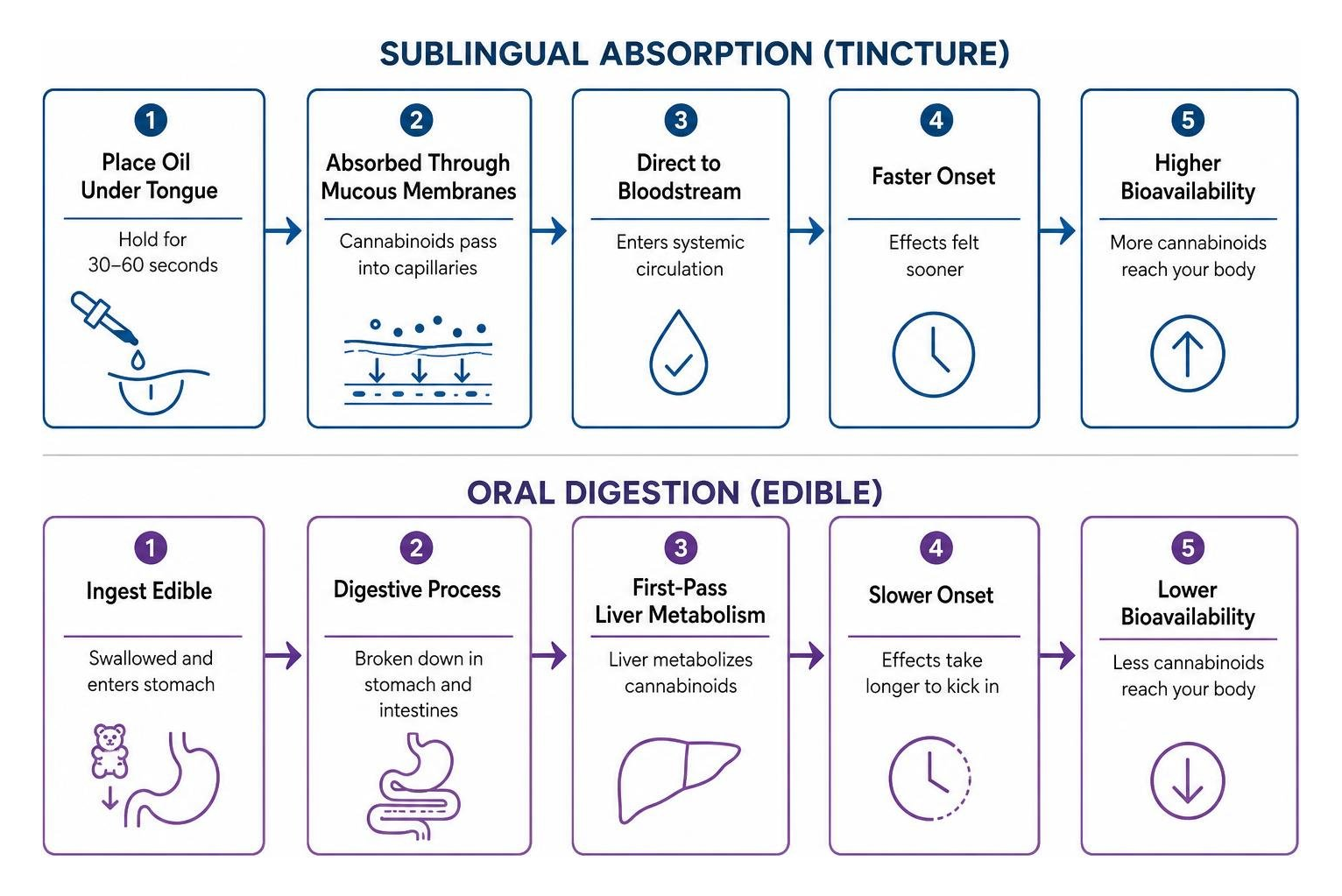
Because of the first-pass liver metabolism, ingested edibles have a lower bioavailability rate (typically 4% to 20%) compared to smoked cannabis, which can have bioavailability rates as high as 56%. However, sublingual tinctures strike the perfect middle ground: fast onset, high absorption, and no respiratory risks to your lungs.
Finding Your Ideal Dosage of THC Oil for Sleep
The golden rule of cannabinoid therapy is to start low and go slow. If you are new to THC, a recommended starting dose is a microdose of 1.5 to 2.5 milligrams of THC taken 30 to 60 minutes before bedtime.
Using a graduated dropper allows you to customize your dosage precisely down to the drop. Keep a sleep log to track how you feel. If you do not achieve the desired sleep-inducing effects after a few nights, increase your dose slowly by 0.5mg to 1mg at a time. This careful titration helps you find your "sweet spot" while avoiding next-day grogginess, dry mouth, or a heavy psychoactive "high" before bed.
Legal, Safety, and Drug Interaction Considerations
Under the 2018 Farm Bill, hemp-derived products containing 0.3% or less Delta-9 THC by dry weight are federally legal in the United States. This means you can legally purchase high-quality THC sleep oils online in Hollywood, Florida, without needing a medical marijuana card.
However, because the hemp market is largely self-regulated, safety is paramount. Always ensure the product you purchase has a readily available Certificate of Analysis (COA) from an independent, third-party lab. A COA verifies the exact milligram content of THC, CBD, and CBN, and ensures the oil is completely free of heavy metals, pesticides, residual solvents, and mold.
Safety also means understanding how THC interacts with your body's chemistry and other medications. CBD and THC are metabolized in the liver by the cytochrome P450 enzyme system. Because of this, cannabinoids can compete for the same liver enzymes as common prescription drugs, dangerously altering the levels of those medications in your system.
Specifically, precautions should be taken if you take:
- Nerve medications like Gabapentin (which, when mixed with THC, can cause severe dizziness and coordination issues)
- Antidepressants or anti-anxiety medications
- Blood thinners or blood pressure medications
Older adults are the fastest-growing demographic of cannabis users in the nation. Because older adults are more likely to take multiple daily prescription medications, they are at a much higher risk for adverse drug interactions and should always consult their primary care physician before adding THC oil to their nightly routine.
When shopping for THC oil in Hollywood, Florida, choosing a brand that prioritizes clean, CO2-based extraction methods ensures you receive a pure, premium product without any harmful chemical residues.
Frequently Asked Questions about THC for Sleep
Will THC oil make me fail a drug test in Hollywood, FL?
Yes. Even if your THC oil is federally compliant and hemp-derived, drug tests search for the metabolites of Delta-9 THC. Consuming even low doses of full-spectrum cannabinoid oils can result in a positive drug test for marijuana. If your workplace in Hollywood, FL, or the wider Broward County area has a strict drug-testing policy, you should avoid products containing THC.
What is the difference between THC oil and vape oil?
Sublingual THC oil tinctures are formulated with food-grade carrier oils (like organic MCT oil or hempseed oil) meant strictly for oral ingestion. They are not compatible with vaporizers. Attempting to vape sublingual tinctures can cause severe, life-threatening lung damage. Vape oils, conversely, are formulated with specific thinning agents designed for inhalation.
Can I use THC oil for sleep every single night?
While many people use low-dose cannabinoid oils nightly, it is best practice to avoid daily, long-term dependency. Over time, your brain can build a tolerance to THC, requiring higher doses to achieve the same sedative effects and potentially disrupting your natural sleep cycles. Use THC oil as a tool to reset your sleep hygiene, and combine it with good habits like keeping your bedroom cool, avoiding screens before bed, and maintaining a consistent sleep schedule.
Conclusion
Finding a safe, natural path to deep, restorative rest doesn't have to be complicated. By understanding how cannabinoids interact with your body's sleep architecture, you can make informed, safe choices that align with your wellness goals.
At Aventus8, we are dedicated to helping our community in Hollywood, FL, and across the United States access premium, third-party lab-tested cannabinoid formulations. We offer a wide selection of high-quality oils and gummies designed to help you unwind naturally — with no medical card required. When you order online with us, you will enjoy free shipping and a free gift on all U.S. orders over $75.
If you are ready to explore your options and find the perfect formulation for your nightly routine, check out our comprehensive guide: The Ultimate Roundup of Premium Cannabis Oils. Here's to quiet minds, relaxed bodies, and better sleep!